
IMPERIUM
Direction Sergei Loznitsa
Editing Audinga Kučinskaitė, Sergei Loznitsa
Sound Vladimir Golovnitski
Digitization and restoration Aamod - Archivio audiovisivo del movimento operaio e democratico, Luce Cinecittà, Cineteca Nazionale
Produced by Essential Filmproduktion, Kino Produzioni with Rai Cinema and with Luce Cinecittà, Société Parisienne de Production, Studio Uljana Kim
With the support of Aamod - Archivio audiovisivo del movimento operaio e democratico
With the collaboration of Cineteca Nazionale
Producers Philippe Bober (Essential Filmproduktion), Anne-Claire Martin (Société Parisienne de Production), Giovanni Pompili (Kino Produzioni), Uljana Kim (Studio Uljana Kim)
World sales Coproduction Office
Countries Germania, Italia, Francia, Lituania
Year of production 2026
Running time 176 min
World Premiere 83. Venice Film Festival - Out of competition
synopsis
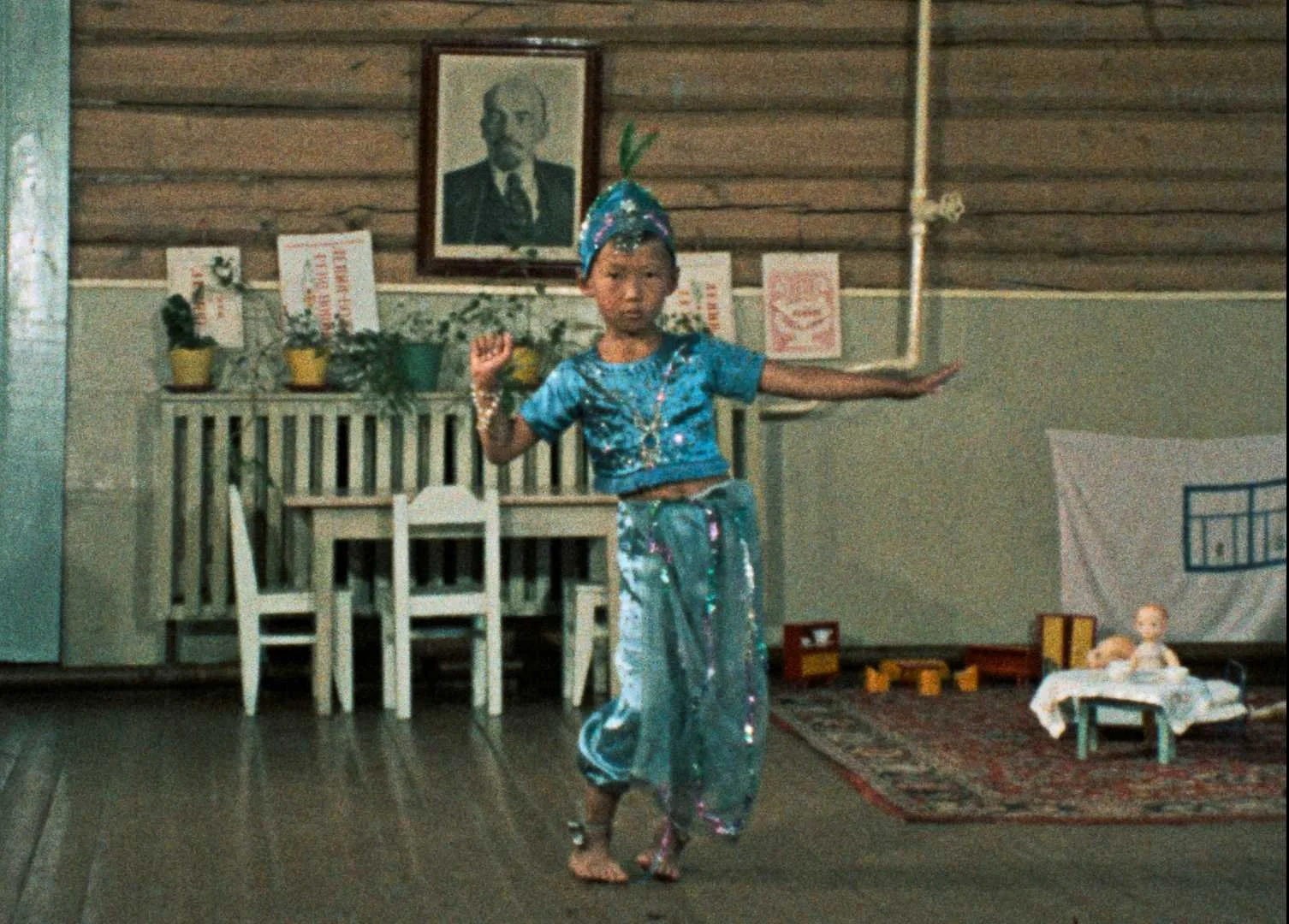
IMPERIUM is a striking visual journey through the vast expanse of the Soviet Union, built entirely from long-forgotten archival footage shot between 1970 and 1973 by Italian filmmakers. From Arctic shores to Central Asian deserts, from the Carpathians to the Pacific, the film reveals a rich tapestry of cultures the Soviet state sought to standardize. Beginning in Moscow and gradually approaching remote villages where centuries-old traditions still thrived, exposing the decreasing weight of centralized power. Without voice-over or commentary, the images themselves reveal a profound paradox: an empire projecting unity while ruling over profoundly heterogeneous worlds. Through these rare, unfiltered glimpses of daily life, IMPERIUM uncovers the often-hidden colonial dynamics of the USSR and the quiet resilience of its many peoples. More than a historical document, the film becomes a lens through which to understand the fractures and geopolitical tensions that continue to resonate across the former Soviet space today.
director’s note
In the history of cinema, there have been several attempts to describe such a strange formation as the USSR. The most famous of them is Dziga Vertov’s film „A Sixth Part of the World“. Vetrov’s work is based on ideology, trade, and geography. By chance, as it usually happens, I learned about a treasure preserved in the Italian archive AAMOD in Rome and felt that there is a possibility for a film. Between 1970 and 1973, a group of Italian filmmakers embarked on a journey across more than twenty regions of the Soviet Union to document its extraordinary cultural, social, and religious diversity. In terms of scale, it was the largest project ever carried out in the USSR by foreign filmmakers. It is unique both in its perspective and in its scope - an opportunity to see the remote corners of the country and the cultural diversity of the peoples who, for a time, lived together within one strange state formation, which quite naturally ceased to exist in 199. I could not miss such opportunity.
Sergei Loznitsa
press review (international selection)
"A hypnotic panorama of early 1970s life across the vast reaches of the Soviet Union." ★★★★
— Peter Bradshaw, THE GUARDIAN
"If ever there was a project for Sergei Loznitsa, this was it."
— Jay Weissberg, VARIETY
"A world now fragmented and vanished, of which only images remain."
— Boris Bastide, LE MONDE
"Loznitsa turns archive footage into a tangibly present parallel world."
— Jonathan Romney, SCREEN INTERNATIONAL
"Will probably be talked about for a long time to come."
— Bert Rebhandl, FRANKFURTER ALLGEMEINE ZEITUNG
"Exemplifies Loznitsa's ability to reanimate the past, and turn archives into living, breathing things."
— Leonardo Goi, MUBI NOTEBOOK
"Sergei Loznitsa's Imperium is a mesmeric, sprawling, sparely unadorned journey."
— Carmen Gray, THE FILM VERDICT
"A monumental film about a monumental lie — and a remarkably vivid journey." ★★★★★
— Meredith Taylor, FILMUFORIA
press review (national selection)
“A lyrical and poignant tapestry depicting the myriad souls and cultures of what was once known as the Soviet Union.”
— Fabio Ferzetti, L'ESPRESSO
“The great filmmaker specialising in archive footage has pieced together Italian films that had been forgotten for half a century. [...] As the master editor that he is, Loznitsa has worked through hours and hours of footage to create a nearly three-hour-long epic.”
— Alberto Crespi, LA REPUBBLICA
“A sublime and unique documentary and ethnographic record.”
— Antonello Catacchio, ELLE
“A fascinating archaeology of the gaze upon a vanished civilisation.”
— Mario Sesti, RINASCITA
“A vast anthropological panorama.”
— Alessandra De Luca, AVVENIRE
“It is a reflection on the power of the image and the relationship between truth and power. Definitely topical.”
— Francesco Costantini, ASBURY MOVIES
“This is a remarkable feat of editing and weaving together material that the director has intelligently orchestrated, leaving all commentary to the audience.”
— Massimo Lastrucci, CINEFORUM
“Loznitsa seems intent on losing himself in this footage of collective rituals and manual labour, tracing ethnic, social, individual and environmental particularities as they crystallise on film and come to life again, not through a pursuit of the cloyingly picturesque, but through the construction of a virtual logic as rigorous as it is hidden.”
— Mario Gervasini, FILM TV